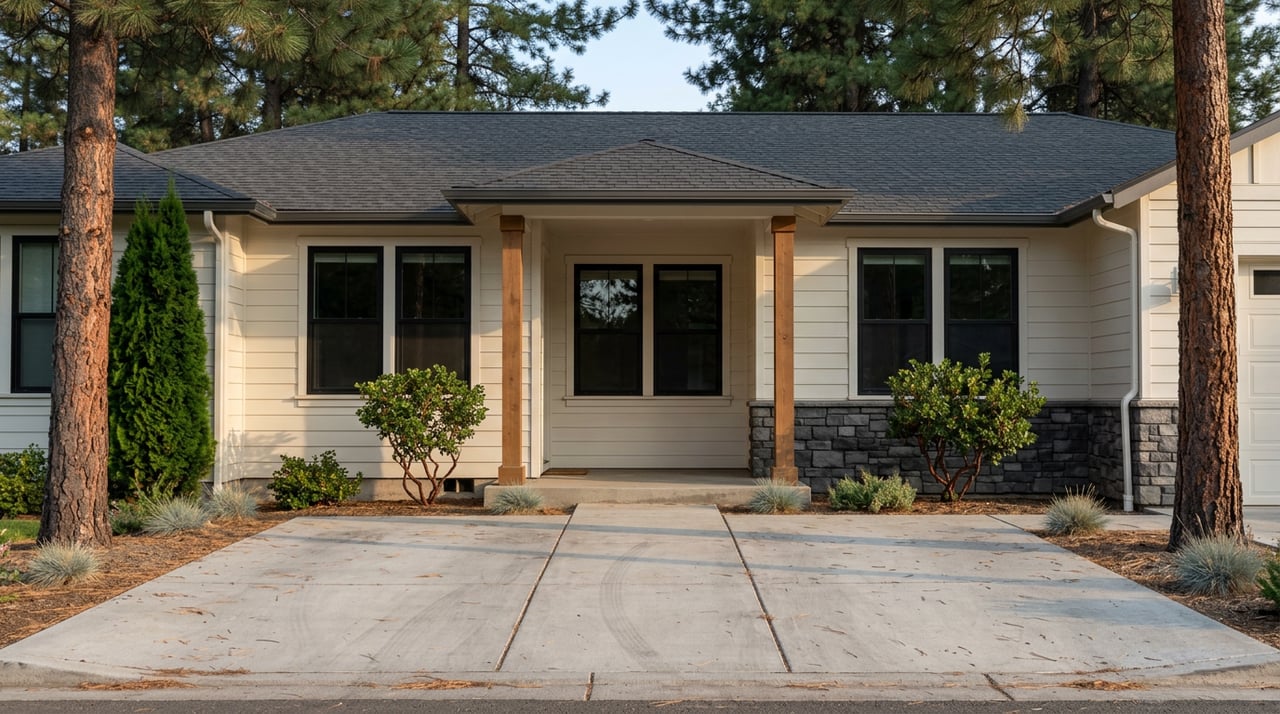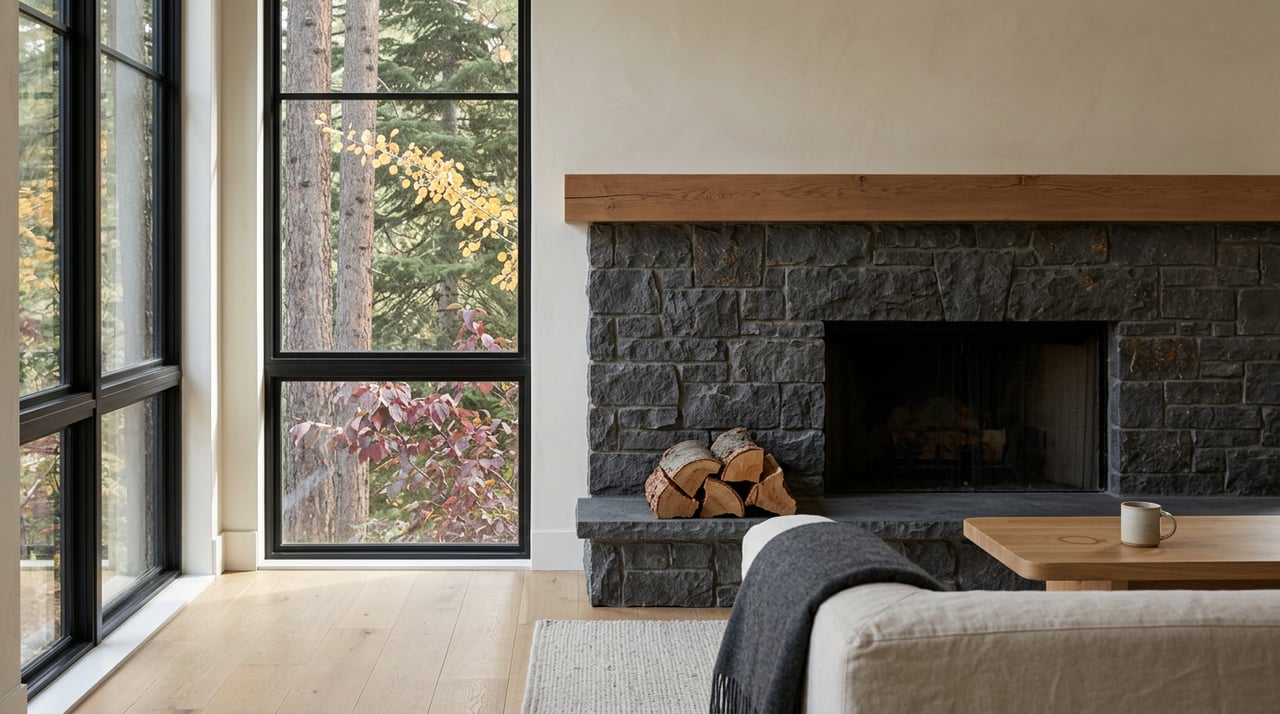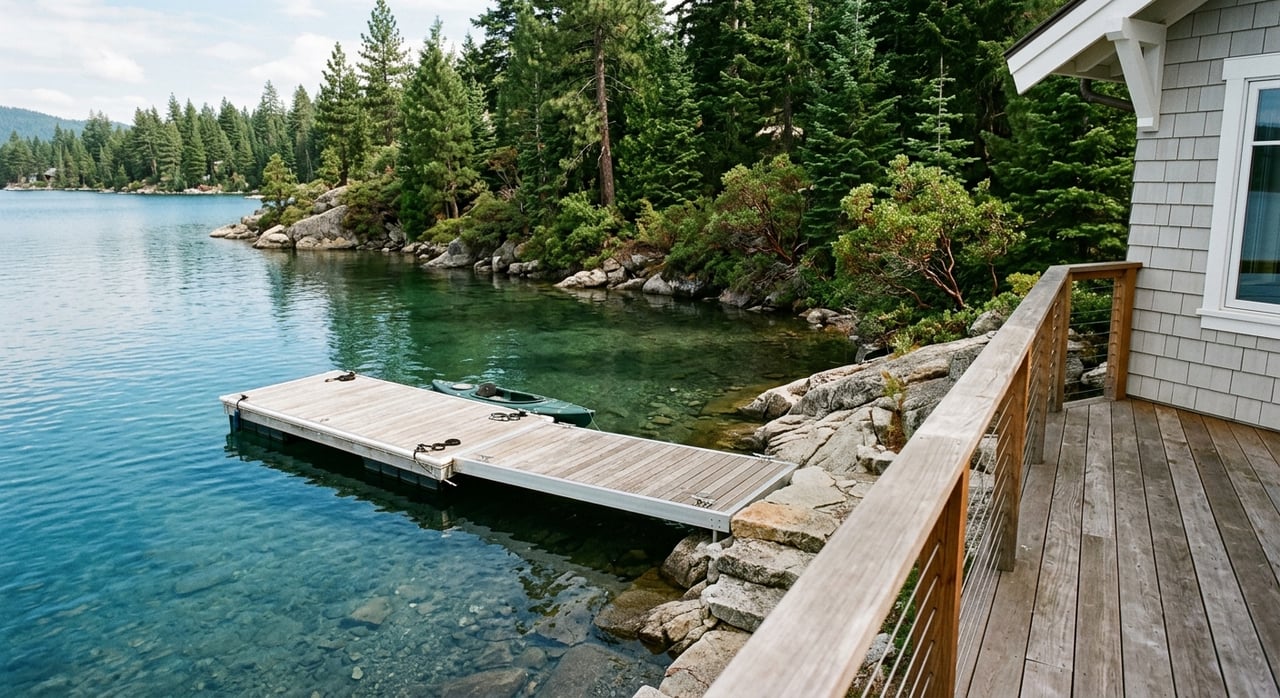
If you price an East Shore waterfront home like any other lake property in Plumas County, you can miss what buyers actually pay for. In Hamilton Branch and East Shore, small differences in shoreline access, dock use, launch convenience, and view corridors can change value in a big way. If you are thinking about selling, understanding those details can help you position your home more clearly and price it with more confidence. Let’s dive in.
East Shore Is Its Own Waterfront Market
East Shore and Hamilton Branch deserve to be treated as a shoreline micro-market, not just part of a broad county lakefront category. Lake Almanor is a large reservoir with about 52 miles of shoreline, and Hamilton Branch sits on the northern shore east of the Almanor Peninsula, while East Shore is part of the lake’s eastern shoreline area. That location matters because buyers compare these homes against other properties with similar shoreline use and access, not against every waterfront home in the county.
For sellers, that means pricing should start with local waterfront utility, not general averages. A home with direct lake relationship on East Shore may compete with only a narrow set of listings and sales. That is why neighborhood-first pricing is so important in this part of the Lake Almanor basin.
Waterfront Value Starts With Utility
Buyers do not just see water. They look for how they can actually use it.
On Lake Almanor, that question is especially important because the lake is a managed reservoir as part of PG&E’s Upper North Fork Feather River Hydroelectric Project. Water levels, shoreline appearance, and dock usability can shift with lake operations and water-year conditions, so the real value story is not just where your house sits on a map. It is how the property functions when a buyer imagines using it.
True Lakefront vs Lake Access
A strong pricing strategy separates true lakefront, lake-access, and view-oriented homes. Two properties may sound similar in a search result, but if one has functional shoreline use and the other depends on off-site launch access, buyers will not value them the same way.
That is why a like-for-like comp set matters. A docked waterfront home, a home near the lake without private dock use, and a home with a great water view but no direct access should be placed in different value buckets.
Dock and Buoy Status Matter
PG&E requires written approval for docks, buoys, stairways, and related shoreline uses on Lake Almanor. It also limits boat docks to 300 square feet and says buoys may not be more than 200 feet from the active water’s edge.
That means a seller should never assume a dock is simply part of the property story without confirming the actual status. Buyers want specifics, and those specifics affect pricing. A home with documented, functional dock or buoy use often presents differently than a home where water access is more limited.
Shoreline Ownership Can Be Different Than Expected
One of the most important pricing questions is whether you actually own the shoreline in front of the house. On Lake Almanor, PG&E retains ownership of land below the 4,500-foot contour, so the apparent lot area near the water may not match the true privately controlled area.
This can affect how buyers think about shoreline use, future improvements, and overall lot utility. It can also shape how you market the home, since clear and accurate boundary information builds trust from the start.
Views Can Add Value, But They Are Not Simple Fixes
A big East Shore selling point is the scenic setting. The Lake Almanor area is known for lake and mountain views, and that natural backdrop is part of what attracts both second-home buyers and year-round residents.
Still, sellers should be careful about treating view improvement like a quick pre-listing project. PG&E states that improving a view is not a valid reason to trim trees on PG&E property. In practical terms, that means an open view corridor is a scarce feature, not a cosmetic update you can always create before going to market.
Market the Existing View Honestly
The best approach is to present the current view as it truly exists. If the home has an open corridor from the main living area, deck, or primary bedroom, that should be documented clearly in photos and listing language.
If the view is filtered by trees, it is still valuable, but it should be described accurately. Honest positioning tends to attract better-aligned buyers and reduces friction once someone visits in person.
Launch Access Still Supports Value
Not every waterfront-adjacent home has a private dock setup. That does not mean boating convenience disappears from the pricing equation.
Lake Almanor’s launch network includes public, seasonal, guest-only, and member-only facilities. Plumas County notes two public boat launches on the lake, including Canyon Dam year-round and the Almanor Boat Launch on the west shore seasonally. California State Parks also notes that launch access around the lake is mixed, so proximity to a dependable launch point can still be meaningful for buyers.
Convenience Is Part of Positioning
If your home does not have private dock use, your listing should still tell a clear water-access story. Buyers may care about trailer parking, how easy it is to get to a year-round launch, and whether boating days feel simple or complicated.
That kind of detail helps a buyer picture daily use. It also helps your property compete more effectively against homes that may be close in price but different in practical access.
Seasonal Water Levels Affect Presentation
Lake Almanor is not a static shoreline. Water Board materials show the reservoir is managed seasonally, with spring fill and later-season drawdown tied to operations, and actual operating levels rarely reach the licensed maximum.
For sellers, this has a direct marketing impact. The same property can look very different depending on when photos are taken and when buyers first visit.
Timing Photos and Listing Launch
The strongest waterfront presentation usually happens when the water is higher, the dock looks usable, and the shoreline relationship is easiest to understand. Those visuals matter because they show function, not just scenery.
This does not mean you should price based on a seasonal high-water moment alone. It means your pricing should stay grounded in comparable waterfront utility, while your marketing should showcase the property when its water relationship is clearest.
Buildability and Septic Influence Buyer Math
For many lake-area properties, value is not just about today’s enjoyment. Buyers may also think about additions, redevelopment, guest space, or long-term flexibility.
In the Lake Almanor area, Plumas County’s wastewater planning treats the area differently from the countywide default, so septic feasibility can be a real factor. Combined with the fact that PG&E owns land below the 4,500-foot contour, the truly usable area of a parcel may be smaller than it first appears.
Why This Matters for Pricing
If a buyer sees future potential, they may pay more. If they discover constraints later, they may pull back or negotiate harder.
That is why sellers benefit from understanding lot usability before listing. Clear information about septic context, buildable area, and actual shoreline control helps support a cleaner pricing strategy and a smoother transaction.
How to Position an East Shore Waterfront Listing
A strong East Shore or Hamilton Branch listing should answer the practical questions a buyer is already asking. On this stretch of Lake Almanor, vague lifestyle language is not enough.
Instead, the listing should focus on what the property actually offers and how that compares to other homes in the same micro-market.
Lead With the Functional Water Story
Your listing should clearly address:
- Whether the property is true lakefront, lake-access, or view-oriented
- Whether there is private dock access, buoy use, or neither
- What is known about shoreline ownership status
- How close the home is to dependable launch access
- Whether the view is open or filtered
- How the shoreline is used at current water levels
This type of detail helps buyers understand the property faster. It also sets up stronger showings because people arrive with realistic expectations.
Use Photos That Prove Utility
On East Shore, photos should do more than look pretty. They should show the waterline, dock approach, shoreline usability, parking or trailer space, and the lake view from the main living areas.
Those images help buyers connect the home to the lake in a practical way. On a managed reservoir, that visual proof can be just as important as the written description.
Price Like-for-Like, Not Broadly
One of the biggest mistakes in waterfront pricing is relying on broad averages. In East Shore and Hamilton Branch, pricing should reflect the property’s specific level of water utility and shoreline function.
That means the best comp set is usually narrow. A home with confirmed dock use, a clear view corridor, and strong shoreline presentation should not be measured the same way as a home that is simply nearby.
A Simple Pricing Framework
When evaluating likely value, group the property into the right bucket first:
- Docked waterfront homes with functional shoreline use
- Waterfront or near-water homes that rely on public or restricted launch access
- View properties with visual appeal but limited direct water utility
From there, refine pricing based on factors like launch convenience, view openness, lot usability, and current shoreline presentation. That is the kind of evidence-based approach that helps sellers avoid overpricing based on emotion or underpricing based on incomplete comparisons.
If you are preparing to sell an East Shore waterfront home, the goal is simple: tell the truth clearly, support it with the right visuals, and price within the right micro-market. For tailored guidance on waterfront positioning and local pricing strategy, connect with Berkshire Hathaway HomeServices Lake Almanor Real Estate.
FAQs
What affects waterfront home pricing in East Shore most?
- The biggest drivers are actual water utility, such as dock or buoy status, shoreline access, launch convenience, view corridor, and how the property compares to similar East Shore or Hamilton Branch homes.
Do East Shore and Hamilton Branch homes need separate comps?
- Yes. East Shore and Hamilton Branch function as a shoreline micro-market, so pricing is usually more accurate when based on like-for-like local waterfront properties rather than broad county averages.
Can a seller trim trees to improve a Lake Almanor view?
- Not on PG&E property for view improvement alone. Sellers should market the existing view honestly and use strong photography to show it well.
Does a dock automatically transfer with a Lake Almanor waterfront home?
- No. PG&E requires written approval for docks, buoys, and related shoreline uses, so sellers should confirm the current status early.
Why do seasonal water levels matter for East Shore listings?
- Lake Almanor is a managed reservoir, so shoreline appearance and dock usability can change through the year. Listing photos and launch timing often work best when the water relationship is easiest for buyers to understand.
Does launch access matter if a Hamilton Branch home has no dock?
- Yes. Because launch options around Lake Almanor vary by location and access type, proximity to a dependable public launch can still support value and buyer interest.