If you are eyeing Indian Valley as an investment play, you are probably looking for something a little different from a typical high-density rental market. This is a rural mountain area where recreation, second-home use, and seasonal visitors shape much of the opportunity. If you want a clearer picture of what to expect before you buy, this guide will help you think through property types, demand, risks, and due diligence in 95947. Let’s dive in.
Why Indian Valley Stands Out
Indian Valley centers on Greenville in Plumas County and includes nearby communities such as Taylorsville, Crescent Mills, Canyon Dam, Genesee, and Indian Falls. Plumas County describes the area as a rural, four-season mountain county with more than 100 lakes, about 1,000 miles of rivers and streams, over a million acres of national forest, and roughly nine people per square mile. Highways 70 and 89 also help connect the region, which matters when you are evaluating access and usability for guests, tenants, or your own weekend stays.
Greenville is the largest community in the valley and continues rebuilding after the Dixie Fire in 2021. According to the Indian Valley Chamber’s town overview, Greenville still offers core services including clinics, doctors, a dentist, a post office, an IGA grocery store, gas stations, schools, a sheriff’s substation, and a volunteer fire department. For you as an investor, that points to practical livability, but not the same service depth you would expect in a larger suburban market.
What Investment Properties Look Like
In Indian Valley, the likely inventory is different from what you may see in a major metro or resort town. A Plumas County staff report shows town-core parcels in Greenville with commercial and single-family residential designations, including zoning such as C-1 Core Commercial and 7-R Single-Family Residential.
That same county report notes that C-1 can allow offices, retail, services, restaurants, parking lots, health services, public utility facilities, and recreation facilities. Residential designations may include very low-density single-family homes, duplexes, multifamily structures, guest houses, and compatible public uses. In plain terms, that means your realistic options may include:
- Small mixed-use buildings
- Storefront or residential-commercial parcels in town
- Compact residential lots
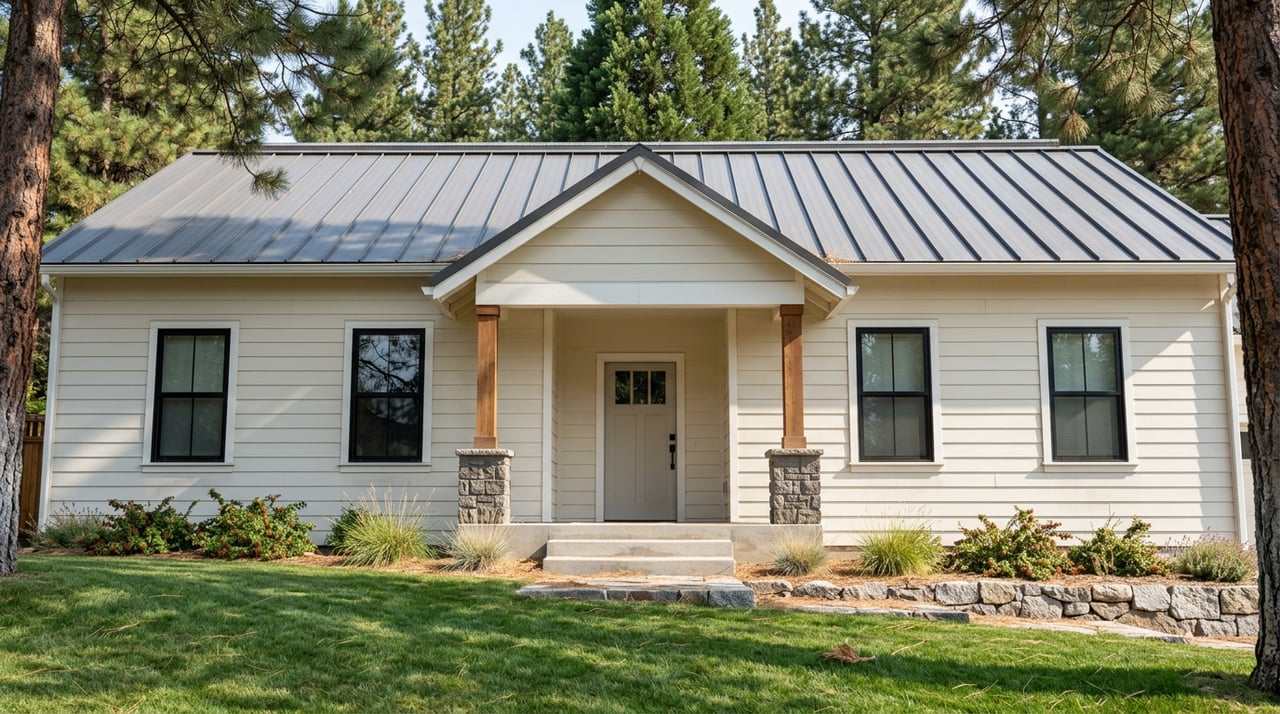
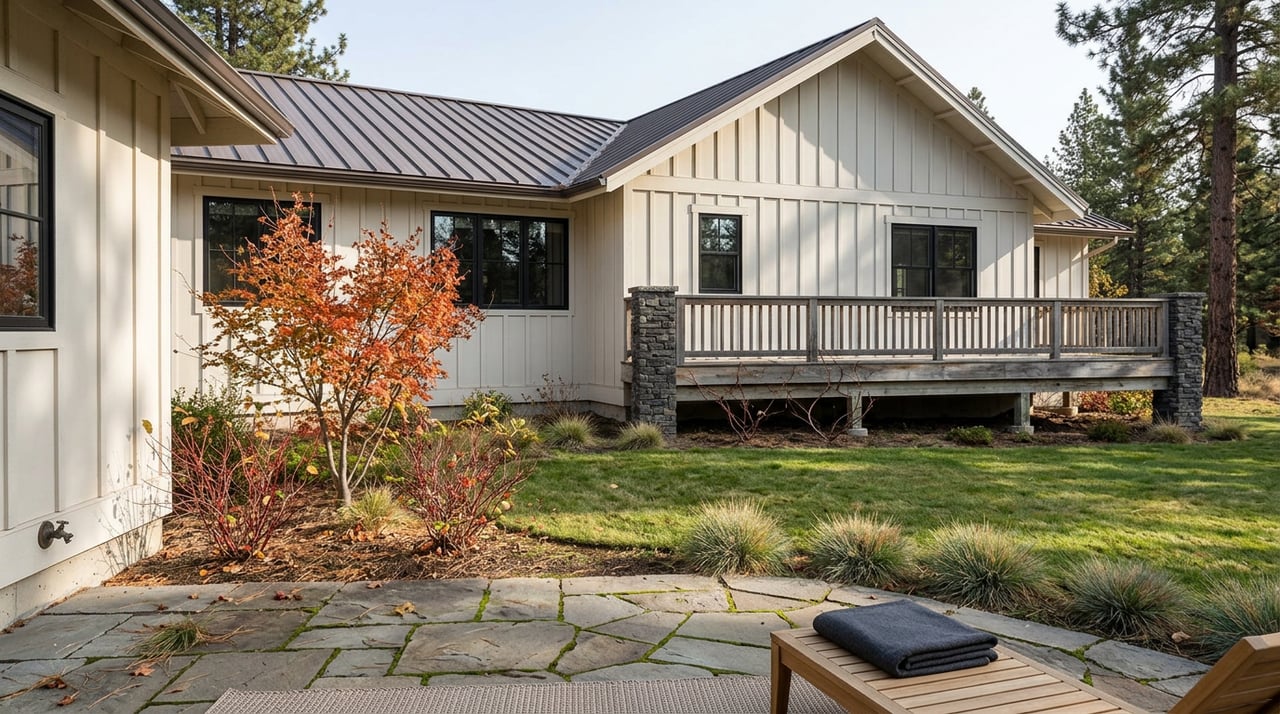
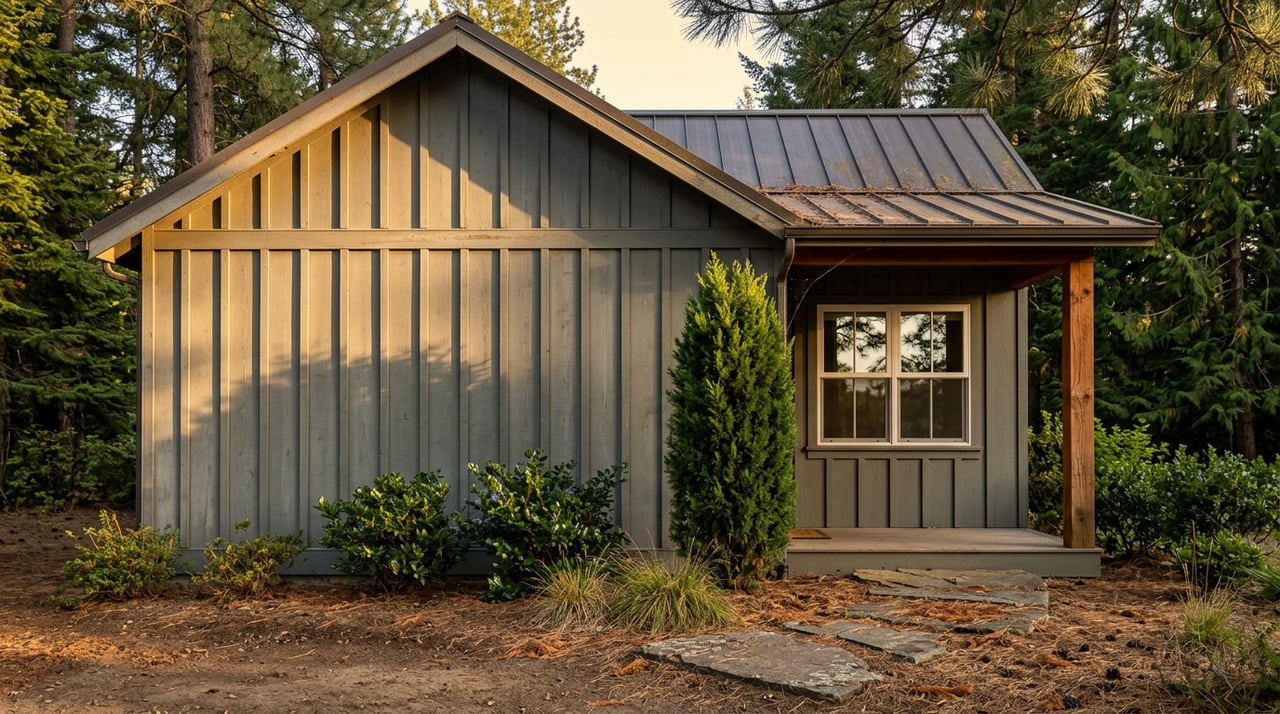
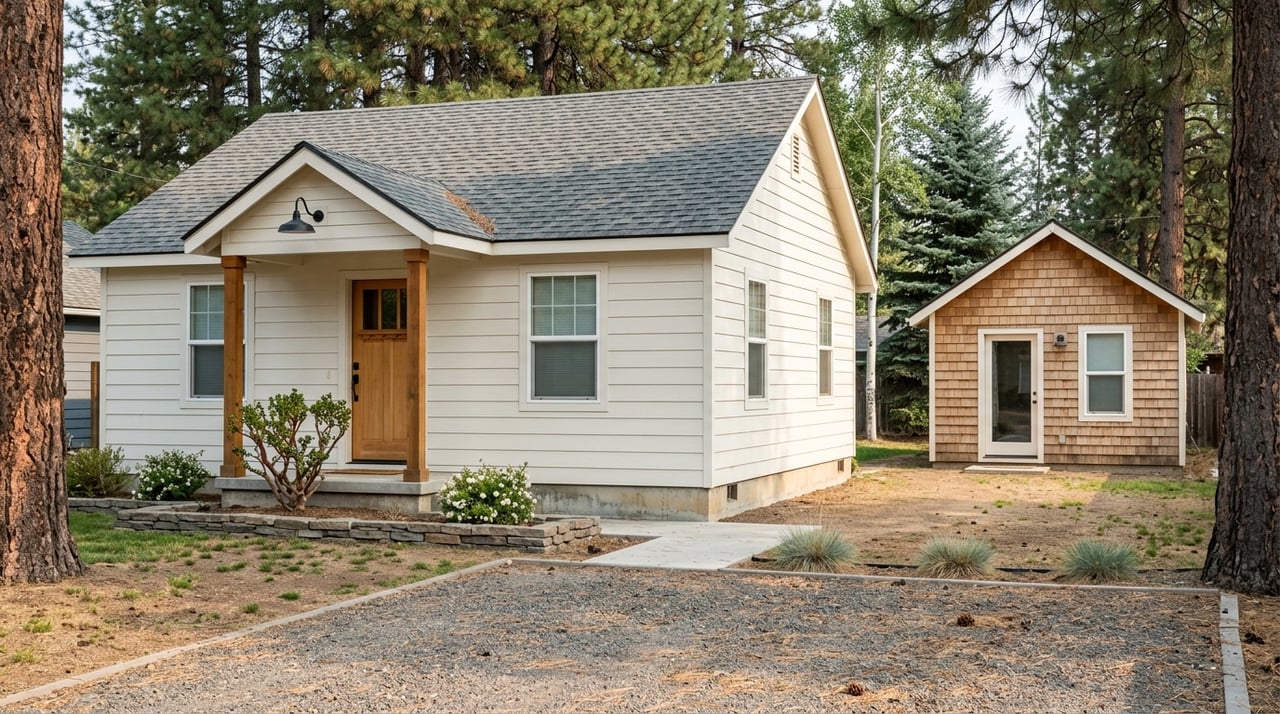
- Cabins or homes on larger rural parcels
- Vacant land for future development or hold strategies
If you are shopping vacant land, be aware that some parcels may not have a street address. The county’s Property Look Up and Value Search tool notes that an APN may be required for some searches, especially vacant land. That is a small detail, but it matters early when you are trying to verify a parcel’s location, access, and service status.
Rental Demand Is More Seasonal
The biggest demand driver in Indian Valley is outdoor recreation. The U.S. Forest Service’s Indian Valley area page highlights fishing, hiking, swimming, picnicking, camping, bicycling, and the scenic byway through Canyon Dam, Greenville, Crescent Mills, and Taylorsville. It also points to Round Valley Reservoir near Greenville as a warm-water fishery.
That recreational draw can support second-home appeal and short-stay interest, especially during warmer months. But it is important to look at Indian Valley as a niche market rather than a broad, high-volume rental market. The visitor profile is likely to be more weekend-based, event-based, and seasonal.
Local events add another layer of demand. The Indian Valley Century Ride brings cyclists through Indian Valley, North Arm, Genesee Valley, and Antelope Lake, and the chamber notes that Gold Digger Days takes place during the third weekend in July as part of the summer season. Chamber materials also reference private vacation rentals, campgrounds, and trailer parks in Greenville, which suggests a visitor-oriented market with seasonal peaks.
Is a Short-Term Rental Possible?
It can be, but you need to confirm the rules before you buy. Plumas County states that rentals of 30 days or less must be registered for Transient Occupancy Tax before the rental begins.
That does not automatically mean every property is a fit for short-term use. You should still verify zoning, property-specific restrictions, and the practical realities of the site. In a rural market, ease of access, utility setup, parking, road conditions, and year-round maintenance can affect whether a short-term rental is realistic.
Utilities Matter More Than You Think
In Indian Valley, utility verification is not something to leave for later. The Indian Valley Community Services District provides emergency services, clean water, street lighting, wastewater and solid-waste treatment, and recreation facilities for Greenville, Taylorsville, and Crescent Mills.
A county staff report for Greenville Main Street parcels also lists IVCSD water and sewer, PG&E electricity, and fire protection for certain properties. That is helpful, but service can still be parcel-specific. Before you close, confirm whether the property is fully served by district water and sewer or depends on private systems. That can affect maintenance, operating costs, and readiness for rental or personal use.
Fire Risk Must Be Part of Your Math
In Indian Valley, wildfire is not a background concern. It is one of the core factors you need to underwrite before you buy.
Plumas County’s wildfire preparedness resources make clear that wildfires are common and urge homeowners to create defensible space and evacuation plans. The county also references CAL FIRE hazard maps showing Moderate, High, and Very High Fire Hazard Severity Zones across county lands.
If you plan to own from out of town, you should treat these items as baseline planning steps:
- Review fire hazard mapping for the area
- Understand insurance availability and cost
- Budget for defensible space and vegetation management
- Create an evacuation and emergency contact plan
- Line up a local service contact for inspections or urgent issues
For many buyers, this does not rule out ownership. It simply means Indian Valley works best when you go in with eyes open and a management plan in place.
Permits and Access Can Change the Deal
If your plan involves improving, rebuilding, adding a driveway, or changing use, permit research should happen early. Plumas County notes that the Zoning Administrator handles items such as special use permits, variances, tentative maps, and site development permits.
The county also notes that right-of-way work requires an encroachment permit. That means a property that looks straightforward on paper may involve more review if you want to expand its use or improve access. If you are buying land or a value-add property, this step is especially important.
Know the Tax Timeline
A smart investment plan also includes the county tax calendar. According to Plumas County’s secured property tax information, tax bills are mailed on or before November 1, the first installment is due November 1 and becomes delinquent after December 10, and the second installment is due February 1 and becomes delinquent after April 10.
The county also notes that not receiving a bill does not remove the penalty. The assessor further advises that supplemental taxes may follow a change in ownership or new construction. If you are buying from out of area or planning upgrades, those details are worth building into your budget from the start.
Who Indian Valley Fits Best
Indian Valley can make sense if you are looking for a rural investment with flexible potential. It may be worth a closer look if you want:
- A second home that may also support limited rental use
- Vacant land for a future build or hold strategy
- A small-town mixed-use or residential opportunity
- A lower-density setting tied to recreation and seasonal tourism
It may be a less natural fit if you want predictable, high-volume, year-round rental demand with minimal oversight. This market appears better suited to buyers who value land, mountain setting, lifestyle appeal, and long-term positioning.
A Smart Way to Evaluate a Property
Before you make an offer, it helps to work through a simple checklist. In a market like Indian Valley, small details can have a big impact on usability and return.
Here is a practical framework to use:
- Confirm zoning and allowed uses.
- Verify water, sewer, and power service.
- Check parcel access and whether any permits may be needed.
- Review wildfire exposure and insurance questions.
- Consider whether the property fits seasonal rental demand, second-home use, or long-term hold goals.
- Understand property taxes, supplemental taxes, and short-term rental registration if applicable.
If you are considering an investment property in Indian Valley, local guidance matters. A rural mountain market often rewards buyers who do careful homework upfront. When you want grounded insight on nearby mountain communities, lifestyle-driven demand, and property potential, connect with Berkshire Hathaway HomeServices Lake Almanor Real Estate.
FAQs
What kinds of investment properties are common in Indian Valley?
- Indian Valley may offer small mixed-use buildings, modest residential parcels, cabins, acreage homes, and vacant land, depending on the location and zoning.
Can you use an Indian Valley property as a short-term rental?
- Plumas County says rentals of 30 days or less must register for Transient Occupancy Tax before operation, and you should also verify zoning and any property-specific limits.
How do you check utilities for an Indian Valley parcel?
- Start with the county parcel search using the APN if needed, then confirm water and sewer availability directly with Indian Valley Community Services District when applicable.
Why is wildfire risk important for Indian Valley investors?
- Wildfire is a major ownership factor in Plumas County, so you should review hazard conditions, plan for defensible space, and understand insurance and emergency planning before buying.
What permits should you research before buying in Indian Valley?
- If you plan to rebuild, expand, change use, or add access improvements, check early with Plumas County on zoning review, site development requirements, and any needed right-of-way permits.