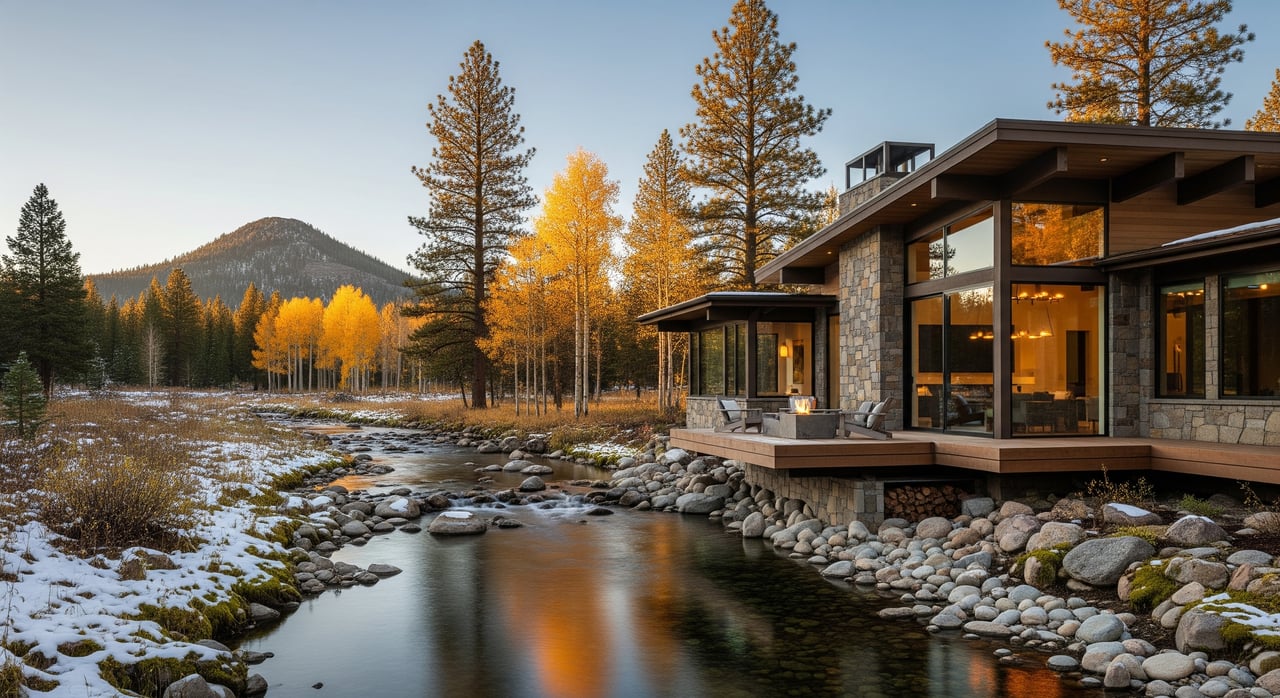
Are you picturing crisp winters and lake‑country summers in Clear Creek or Westwood but wondering what day‑to‑day life is really like? You are not alone. Seasonal living in this mountain setting brings rewards and a few practical realities that are easier when you plan ahead. In this guide, you will learn what to expect with weather, winter access, utilities, summer recreation, and smart checklists so you can enjoy your home with confidence. Let’s dive in.
Clear Creek/Westwood seasons
Clear Creek and Westwood sit in a higher‑elevation, mixed‑conifer environment on the Sierra and Cascade transition. Winters are cold and snowy, springs can stay cool as snow melts, and summers are warm and dry. Wildfire season typically peaks in summer through early fall and can affect air quality and insurance availability.
Conditions vary from year to year. Timing and depth of snowfall depend on storm tracks, and microclimates matter. South‑facing slopes shed snow faster, while shaded valleys and tree‑covered lots may hold snow and cold longer. For planning, use National Weather Service forecasts and climate summaries for the nearest stations.
Winter access and snow
Roads and plowing
State highways and major routes are prioritized for plowing and de‑icing by Caltrans District 2. County roads follow Lassen County Public Works’ plow priorities, which may be less frequent than highways. Private subdivision roads and driveways are often the owner’s responsibility, and many owners arrange private plow or snow‑blowing services.
Chains and closures
During storms, Caltrans may require chains or winter tires. Chain control signage is enforced, and unsafe conditions can lead to temporary closures. Part‑time owners should expect slower travel or brief closures for several hours to a day after major events.
Vehicle prep
AWD or 4WD, true winter tires, and a set of chains are strongly recommended. Keep an emergency kit with a shovel, ice scraper, warm clothing, blankets, and basic supplies. If your driveway is steep or shaded, plan for seasonal parking options at a cleared location and consider a caretaker or neighbor check‑in during storms.
Property snow plans
Plan where plowed snow will go so it does not block propane tanks, well heads, septic access, or garage doors. Keep heating vents, chimneys, and exhausts clear to prevent carbon monoxide risks. For older structures or heavy winters, consider a professional assessment of roof snow loads and ventilation.
Who to call for conditions
Bookmark Caltrans District 2 for real‑time roads and chain controls, Lassen County Public Works for county plow updates, and the Lassen County Sheriff or Office of Emergency Services for storm advisories and evacuation routes. Store key numbers in your phone before winter.
Utilities and home systems
Power and internet
Winter storms and falling trees can cause power outages, and restoration may take longer in remote areas. Cellular coverage can be spotty, and performance varies by carrier and location. Many second‑home owners add resiliency with generators, battery systems, or satellite internet options.
Heat and fuel
Common heating options include propane, wood or pellet stoves, electric heat such as heat pumps, and oil in some cases. Natural gas is rare in remote mountain communities. For propane, remote owners often set scheduled deliveries and keep tank access plowed so trucks can reach it in winter.
Water and septic
Many properties use private wells. Protect pumps and pressure tanks from freeze by insulating or heat‑tracing enclosures. If you are part‑time, set a safe low heat when away or winterize by shutting off and draining lines. Avoid compacting snow over septic drainfields and keep lids and access points clear.
Seasonal maintenance
Each fall, service heating systems and stoves, inspect chimneys, insulate exposed plumbing, and check carbon monoxide and smoke detectors. In spring, inspect for freeze damage, clear gutters, check for ice dam impacts at the roofline, and verify septic and well performance after thaw.
Insurance and bills
Wildfire risk can affect homeowners insurance availability and cost, so review California Department of Insurance guidance and your carrier’s underwriting maps. Winter‑related issues such as frozen pipes or roof collapse may have specific policy language, so review exclusions and consider endorsements. Expect higher heating costs in winter and ask sellers or local providers about typical annual usage.
Summer recreation and hazards
Peak activities
Late spring through early fall brings prime recreation. You will find hiking, camping, mountain biking, fishing, and boating at nearby lakes, along with easy access to Lassen National Forest and Lassen Volcanic National Park. Popular areas can fill quickly, and some sites use reservation systems during peak weekends.
Wildfire season
Fire risk increases in summer and fall. Create defensible space, keep an evacuation plan, and prepare for periods of smoke or air quality advisories. Prescribed burns and forest management work may temporarily close trails or affect visibility.
Seasonal services
Contractors such as plumbers, electricians, and landscapers are busiest in summer and early fall. Book ahead for larger projects. Local shops and services can run limited hours or seasonal staffing during shoulder seasons, so plan supply runs outside peak weekend times.
Checklists for new owners
Before winter
- Service heating systems, inspect chimney and flue, and check CO and smoke detectors.
- Insulate or heat‑trace exposed pipes and well pump enclosures.
- Confirm your propane delivery schedule or fill the tank ahead of the first deep freeze.
- Arrange private plowing for driveways and lanes, and mark driveways and mailboxes for visibility.
- Stock emergency supplies and fuel for backup power, and set up remote monitoring such as thermostats or leak sensors.
- Verify contact details for local emergency services and a nearby caretaker or neighbor.
Extended winter absence
- Set thermostats to a safe minimum or fully winterize by draining lines and shutting interior water off at the main.
- Arrange periodic property checks, snow clearing, and mail or driveway services.
- Maintain vehicle batteries and fuel levels, and let a neighbor or caretaker know your expected return.
Spring re‑entry
- Check for freeze damage to plumbing, roofs, and exterior finishes.
- Pump and inspect septic if needed, and confirm well power and pressure.
- Clear gutters and look for any animal intrusions.
Budget and local services
Plan your budget
- Annual service for furnaces, stoves, and chimneys.
- Generator maintenance and fuel.
- Propane refills, higher winter electricity bills, and seasonal plowing contracts or per‑event costs.
- A reserve for storm‑related repairs such as frozen pipes or roof issues.
Line up vendors
Identify reliable snow removal contractors, propane suppliers, licensed HVAC pros, well and septic technicians, and general contractors experienced with winter work. Ask about response times during storms and summer backlogs for projects.
Due diligence tips
Before you buy, confirm who plows your road and who pays, and whether there is a county, HOA, or private arrangement. Verify electric service provider, propane options, and realistic internet choices using provider maps. Review well logs if available, and get inspections on wells, septic, and heating systems. Check CAL FIRE fire hazard resources and county emergency guidance to understand evacuation routes and seasonal alerts.
Local resources to bookmark
- Caltrans District 2 for road and chain controls
- Lassen County Public Works for plowing policies
- Lassen County Office of Emergency Services and Sheriff for emergency notifications
- National Weather Service for local forecasts and climate normals
- Lassen National Forest and Lassen Volcanic National Park for seasonal access and permits
- California Department of Fish and Wildlife for fishing and hunting seasons
- CAL FIRE for defensible‑space guidance and fire hazard maps
- California Department of Insurance for homeowners insurance guidance
- FCC broadband maps and CPUC for telecom coverage
- FEMA flood maps if you are near creeks
- Your local electric utility, municipal or investor‑owned, for outage reporting and public safety power shutoff info
Work with local experts
You do not need to figure this out alone. Our Westwood‑based team helps you balance the seasonal rhythms of Clear Creek and Westwood with the right inspections, vendor introductions, and offer terms that reflect real conditions. If you want a mountain home that fits the way you live, connect with the local advisors who live it every day. Reach out to Berkshire Hathaway HomeServices Lake Almanor Real Estate to get started.
FAQs
What should I expect driving in winter around Clear Creek and Westwood?
- During storms, Caltrans may require chains or winter tires, and you should plan for slower travel or brief closures after major snow.
Who is responsible for plowing my road or driveway in this area?
- Caltrans handles state highways, the county manages many public roads by priority, and private subdivision roads and driveways are often the owner’s responsibility through an HOA plan or private contractor.
Are power outages common in winter and how should I prepare?
- Storms can cause outages and restoration may take longer in remote spots, so many owners use generators or battery systems and keep essentials on hand.
What heating fuels are typical and how do deliveries work?
- Propane, wood or pellet, and electric heat are common, with propane deliveries often scheduled more frequently in winter and tank access kept plowed.
How does wildfire season affect living in Clear Creek and Westwood?
- Summer and early fall bring higher fire risk, so plan for defensible space, evacuation readiness, possible smoke impacts, and insurance considerations.
What are my internet options if cellular is weak at my property?
- Coverage varies by carrier and location, and many owners add satellite internet or a battery backup to keep basics running during outages.