If you picture Lake Almanor Country Club as a summer-only destination, you are only seeing part of the story. Life here changes in meaningful ways from one season to the next, and that rhythm can shape how you use your home, what kind of property feels right, and how you plan for ownership. If you are thinking about buying or selling in this community, understanding those seasonal shifts can help you make a smarter move. Let’s dive in.
Why seasons matter in LACC
Lake Almanor Country Club is a gated homeowners association on the peninsula of Lake Almanor with 1,831 large single-family lots, including about 300 that remain undeveloped. The community sits at roughly 4,500 feet elevation and includes 25 miles of private patrolled roads, staffed gates, a nine-hole golf course, tennis and pickleball courts, three boat launches, recreation areas, a bandshell, and a clubhouse.
That mix of amenities gives LACC a true four-season identity, but not every season feels the same. The HOA notes that summer is the busy season, especially from Memorial Day through Labor Day, when seasonal owners and vacationers return. Outside of that peak window, the community becomes quieter and more owner-focused.
For you as a buyer or seller, that seasonal pattern matters. It affects traffic near amenities, access to certain facilities, how a home feels at different times of year, and the kind of upkeep ownership may require.
Summer brings the most activity
Summer is when Lake Almanor Country Club feels most energized. The lake, recreation areas, golf activity, and clubhouse programming all play a bigger role in daily life, and that is when many owners use their homes most often.
Rec 1 is a major summer hub, with two boat ramps, beaches, a swimming area, courts, picnic space, and limited vehicle-and-trailer parking. Rec 2 includes one boat ramp, a beach and swimming area, restrooms, and picnic tables with BBQs.
The handbook states that LACC docks, buoys, and ramps are open to members, guests, and renters. Watercraft and trailers must be properly registered and display current stickers or permits, so summer use comes with a few practical rules to keep in mind.
Summer access shapes home experience
If you are looking at homes near Rec 1, Rec 2, the clubhouse, or the golf course, expect those areas to feel more active during peak season. Based on the amenity layout and operating patterns, homes closest to those destinations will generally experience more of the summer pace.
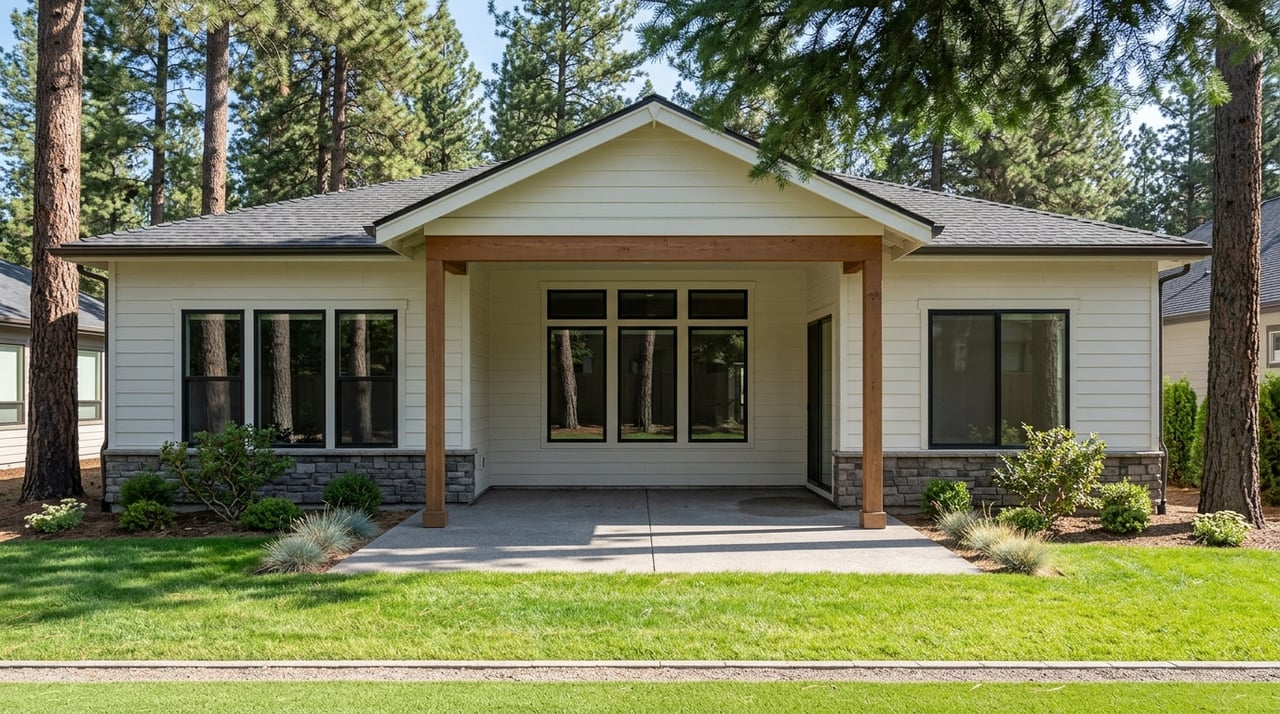
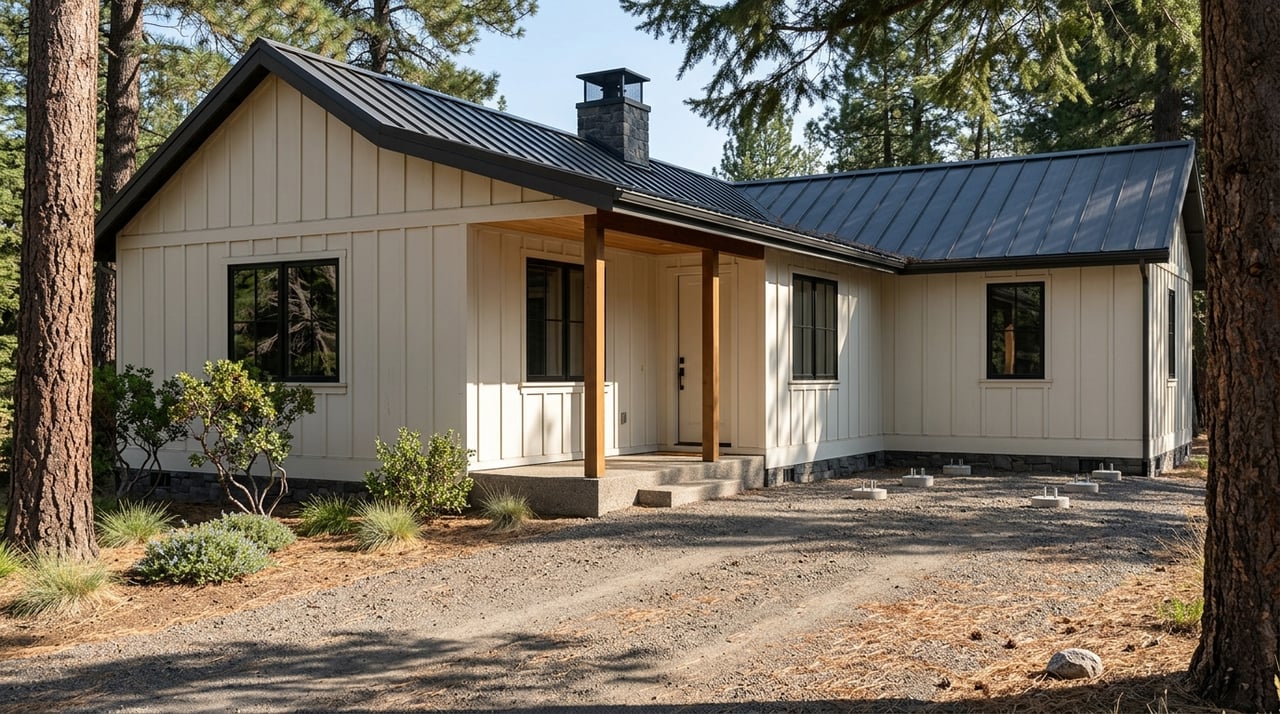
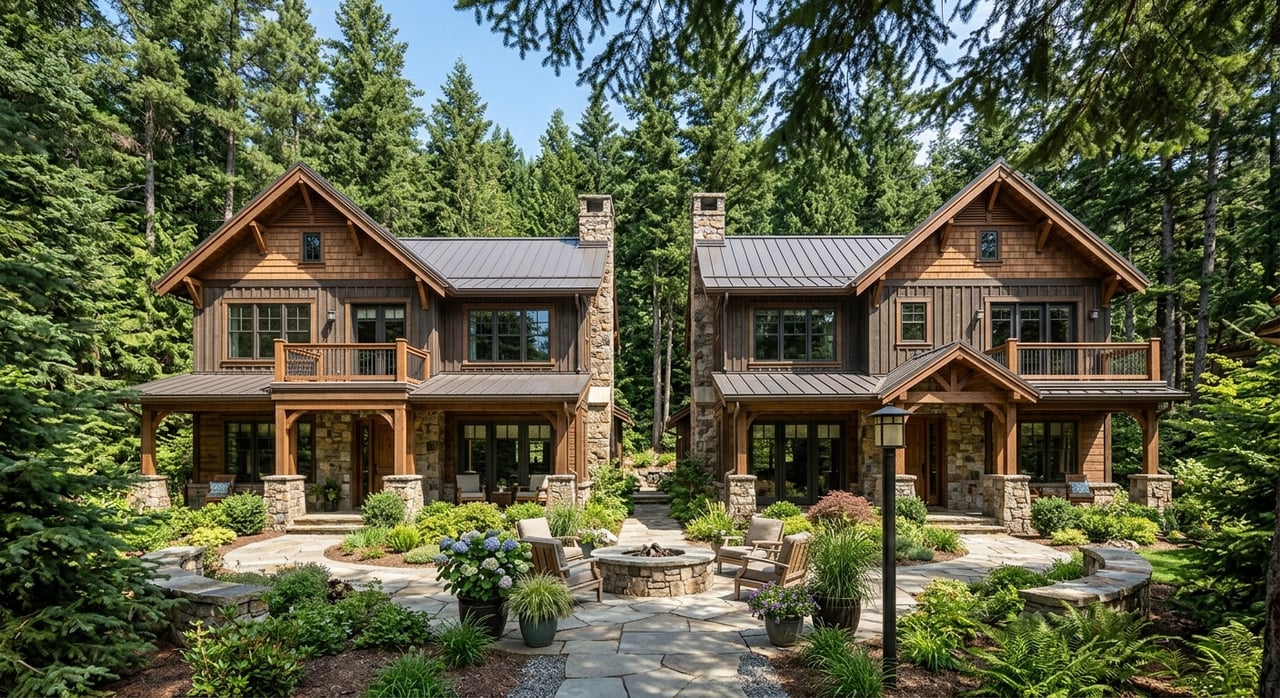
By contrast, interior forest lots may feel quieter and more tucked away, even when the community is busy. For some buyers, that creates a better fit for a low-key second home. For others, being close to the action is exactly the point.
Lake conditions can change seasonally
The lake experience is not static from year to year. Lake Almanor is managed by PG&E as part of a hydroelectric project, and reservoir elevation requirements can vary by water year.
That means shoreline and launch conditions can shift over time. If you are shopping for a waterfront or water-oriented property, it helps to think about lake access as both recreational and seasonal.
Shoulder seasons offer a quieter pace
After Labor Day, LACC begins to feel different. The pace slows, the crowds thin out, and the community shifts away from peak summer operations.
For many buyers, this is when the appeal of the neighborhood becomes clearer. You can still enjoy the setting and many of the benefits of ownership, but with less activity around the busiest amenities.
Amenity use becomes more limited
The member handbook defines tennis off-season as the day after Labor Day through mid-June. During that period, courts are locked, there are no court reservations, and play is handled through annual-pass keys or daily key rental.
Clubhouse reservations also change in the off-season. When summer food service is not active, reservations shift from the clubhouse event coordinator to the LACC office.
The golf course also follows a seasonal schedule. Unlimited play passes are valid only from the opening date to the seasonal closing date, which reinforces that this is not a fully uniform year-round amenity pattern.
Why shoulder season appeals to many buyers
If you want access to the community without the peak-season energy, the shoulder months may be the sweet spot. This time of year tends to feel calmer, more residential, and easier to navigate.
That can be especially appealing if you are buying a second home for rest and flexibility rather than a packed summer social calendar. It can also help sellers think about how to position a property based on its setting and seasonal advantages.
Winter is quieter and more practical
Winter in this area is not mild. Chester, a nearby high-elevation climate proxy at 4,530 feet, shows January average temperatures of 42.2°F for highs and 21.8°F for lows, with a mean of 32.0°F. July, by comparison, averages 86.1°F for highs and 48.2°F for lows, and annual snowfall averages 109.6 inches.
That mountain-weather pattern is important if you are considering year-round ownership or planning how often you will use a seasonal home. Winter here can be beautiful and peaceful, but it also asks more from owners in terms of preparation.
Snow affects daily logistics
The LACC handbook includes clear rules around snow removal and winter storage. Parking cannot hinder snow removal, and vehicles, trailers, boats, or equipment cannot be stored on road rights-of-way during snow removal unless the general manager grants a permit.
The handbook also notes that landscaping near the road edge can be damaged by snow removal or road widening. For homeowners, that means winter planning is not just about comfort. It is also about protecting access and understanding how the property functions in snowy conditions.
Winter recreation is more limited
Some outdoor use continues in winter, but with narrow rules. The golf handbook allows alpine and Nordic skiing only on fairways and roughs, only when there is at least 12 inches of snow cover, and never on greens, tees, or bunkers.
That tells you something important about the winter lifestyle in LACC. It is quieter, more weather-driven, and less centered on the full amenity package that defines summer.
Ownership means planning beyond the purchase
In a community like Lake Almanor Country Club, the lifestyle side of ownership gets most of the attention. Just as important, though, is understanding the HOA framework and the seasonal responsibilities that come with it.
Annual dues are due January 1 and become delinquent after 30 days. The handbook also states that special assessments are billed separately, late charges can apply, unpaid balances can accrue 12% interest, collection costs are recoverable, and membership privileges can be suspended if charges remain unpaid 60 days after the due date.
Seasonal ownership takes time too
Owning here is not just a line item in your budget. It also requires a bit of coordination.
For example, watercraft and trailers need current California registration plus LACC stickers or docking permits. Golf carts used on the course need pro-shop approval and insurance.
The community is also a designated FireWise community. LACC notes that its FireWise certificate can help in insurance conversations, and owners are reminded to register for Plumas County emergency alerts through GENASYS.
How buyers can match a home to the seasons
A good LACC purchase is not only about price or square footage. It is also about how you want to live in the property throughout the year.
If your ideal ownership story centers on boating, swimming, and easy access to recreation, a location near Rec 1 or Rec 2 may make sense. If you want a home base that feels more private and low-key, an interior lot may better match the experience you want outside the peak summer window.
You may also want to think through a few practical questions before you buy:
- How often will you use the property in winter?
- Do you want to be close to summer activity or away from it?
- Will you keep a boat or trailer on hand?
- Are you looking for a second home, a full-time home, or a future build opportunity?
- How comfortable are you with seasonal HOA rules and upkeep needs?
These are the kinds of details that can shape whether a home feels convenient year after year, not just exciting on showing day.
How sellers can position a home well
If you are selling in Lake Almanor Country Club, seasonality can help frame your marketing story. A home near the lake or recreation areas may be especially compelling for buyers focused on summer use, while a quieter interior location may appeal to buyers seeking a more relaxed second-home setting.
The key is to present the property in the context of how owners actually live here. Buyers often respond best when they understand not just the house, but the seasonal rhythm of the neighborhood around it.
That is where local guidance matters. Understanding how a specific location feels in July versus January can help you price and position a property with more confidence.
Living between seasons in Lake Almanor Country Club means getting more than a vacation snapshot. You are buying into a pattern of busy summers, quieter shoulder months, and snow-driven winters, all within a community built around recreation, access, and mountain-lake ownership. If you want help matching a property to your lifestyle or preparing a home for the market, Berkshire Hathaway HomeServices Lake Almanor Real Estate offers local, high-touch guidance rooted in the Lake Almanor basin.
FAQs
What is Lake Almanor Country Club like in summer?
- Summer is the busiest season in Lake Almanor Country Club, especially from Memorial Day through Labor Day, with the most activity around boat launches, beaches, golf, courts, and clubhouse use.
What are shoulder seasons like in Lake Almanor Country Club?
- The shoulder seasons are typically quieter than summer, with more limited amenity operations and a slower, more owner-focused pace.
What is winter weather like near Lake Almanor Country Club?
- Based on nearby Chester climate normals, winters are cold and snowy, with January average highs of 42.2°F, lows of 21.8°F, and annual snowfall averaging 109.6 inches.
What should buyers know about Lake Almanor Country Club HOA rules?
- Buyers should understand annual dues, possible special assessments, amenity rules, registration requirements for watercraft and trailers, winter parking restrictions, and other handbook-based ownership responsibilities.
What parts of Lake Almanor Country Club feel busiest?
- Homes near Rec 1, Rec 2, the clubhouse, or the golf course will generally feel more active in summer, while interior lots may feel quieter based on the community layout and seasonal use patterns.
What kind of property fits seasonal living in Lake Almanor Country Club?
- The best fit depends on how you plan to use the home, whether that means easy summer recreation access, quieter off-season use, or a lot for future cabin or second-home development.