Right now, on a mid-August evening at Bailey Creek, the clubhouse patio is full before five o'clock. The phone at the pro shop rings for tee times that don't exist until Thursday. Someone is already on hold for a Friday reservation at the bar and grill, because everyone in the neighborhood knows what happens on Friday nights here, and half of Chester seems to know it too.
That crowd is not a surprise. What's less obvious, even to people who've lived on these streets for years, is that the golf course itself has already put a number on when this ends. It's printed in the fine print of the discount rate sheet, and it tells you more about how to actually live at Bailey Creek than any listing photo of the fairway ever will.
The five weeks the rate sheet already admits
Bailey Creek Golf Course sells discounted play vouchers most of the year, but this year's version carries a specific blackout window: no discount play from June 18 through September 13, 2026. That's not a marketing detail. That's the course, in its own paperwork, marking the exact boundary between its two seasons.
As of today, we're still just under five weeks inside that window. The course is charging full rates, adding a $10 per-player surcharge for anyone teeing off before 11 a.m. on Friday, Saturday, or Sunday, and running a tee sheet that fills up the way any resort course does when the whole basin is on vacation at once. Residents who live a short cart ride from the first tee are, for these particular weeks, competing with visitors for the same afternoon slots.
The calendar on the discount vouchers already admits what everyone who lives here knows: Bailey Creek runs on two different rhythms, and only one of them is crowded.
Come September 14, the surcharge and the blackout both lift at once. That's the actual start of the neighborhood's second summer, the one locals have been waiting for since the blackout first took effect back in June. The Lake Almanor basin sits at roughly 4,500 feet, and fall at that elevation still means mild, playable afternoons well into the season, just without the wait.
Here's what changes on either side of that line:
| Now through Sept 13 | After Sept 13 | |
|---|---|---|
| Tee time access | Booked days out, resort traffic mixed in | Same-day walk-ons common again |
| Fee structure | Full rate, plus $10 before 11 a.m. Fri/Sat/Sun | Discount vouchers valid again |
| Clubhouse patio | Reservation-recommended, especially Fridays | Walk-in tables typical |
| Neighborhood streets | Golf cart and rental traffic near the course | Back to resident-only quiet |
Homer Flint's fingerprints, best read slowly
The course itself rewards the kind of repeat, unhurried play that only residents get. Architect Homer Flint, who also worked on courses like Mauna Kea and Kapalua before coming north, built in details that a one-time visitor rushing through a vacation round tends to miss. Hole 6 has a single tree standing alone in the middle of the fairway, a placement locals will tell you was Flint's private joke on the course. The signature hole is the par-3 13th, a tee shot that has to carry water to reach a well-bunkered green, one of four lakes worked into the layout alongside more than fifty sand bunkers.
None of that is new information to anyone who plays here regularly, but it's worth saying plainly: this design only gives up its detail on the third or fourth round, not the first. That's a different relationship with the course than a weekend guest ever gets, and it's part of what the blackout calendar is protecting when it clears out in the fall.
The land itself has a specific origin, too. Dennis and Susy Durkin bought the 550-acre parcel in 1991 with the intent of building a full recreational community around the course, tennis, and guest accommodations that would follow. That decision is the reason the neighborhood reads the way it does today: golf course at the center, residential streets radiating out, guest capacity built in from the start rather than added later.
Friday still means prime rib, only the wait changes
The clubhouse restaurant, Bailey Creek Bar & Grill, serves dinner Thursday through Saturday from 5 to 8 p.m., with a patio that looks out over the 1st and 18th greens. Friday night has meant one thing at that restaurant for years: Jerry Quam's prime rib, the kind of standing tradition that gives a golf course clubhouse an actual social calendar instead of just a menu. Reservations are recommended, and the clubhouse takes them by phone.
During these five weeks of peak summer, "recommended" functions more like "required," since the same visitors filling the tee sheet are also filling the dinner tables. After September 13, the room empties out enough that a resident can decide on Thursday afternoon whether they feel like prime rib on Friday, rather than locking it in a week ahead. The food and the tradition don't change. The margin for spontaneity does, and that margin is the whole point of living here instead of visiting.
The quiet a nine iron from all of it
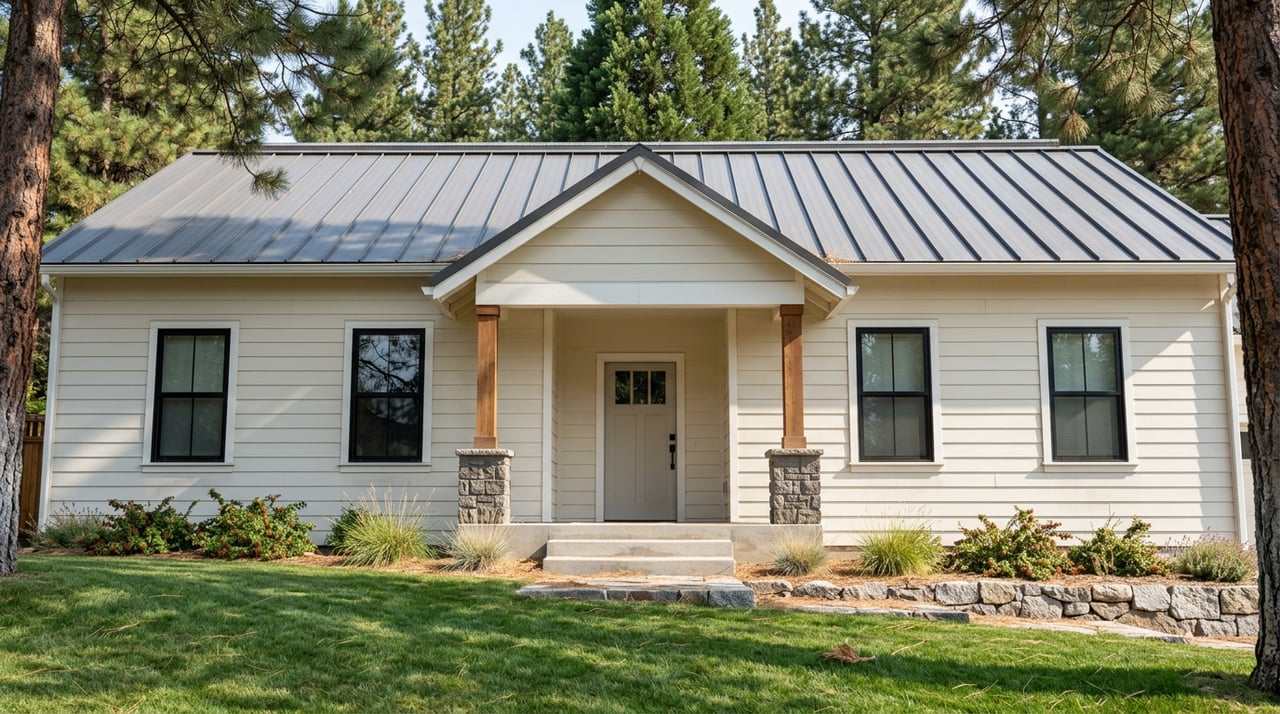
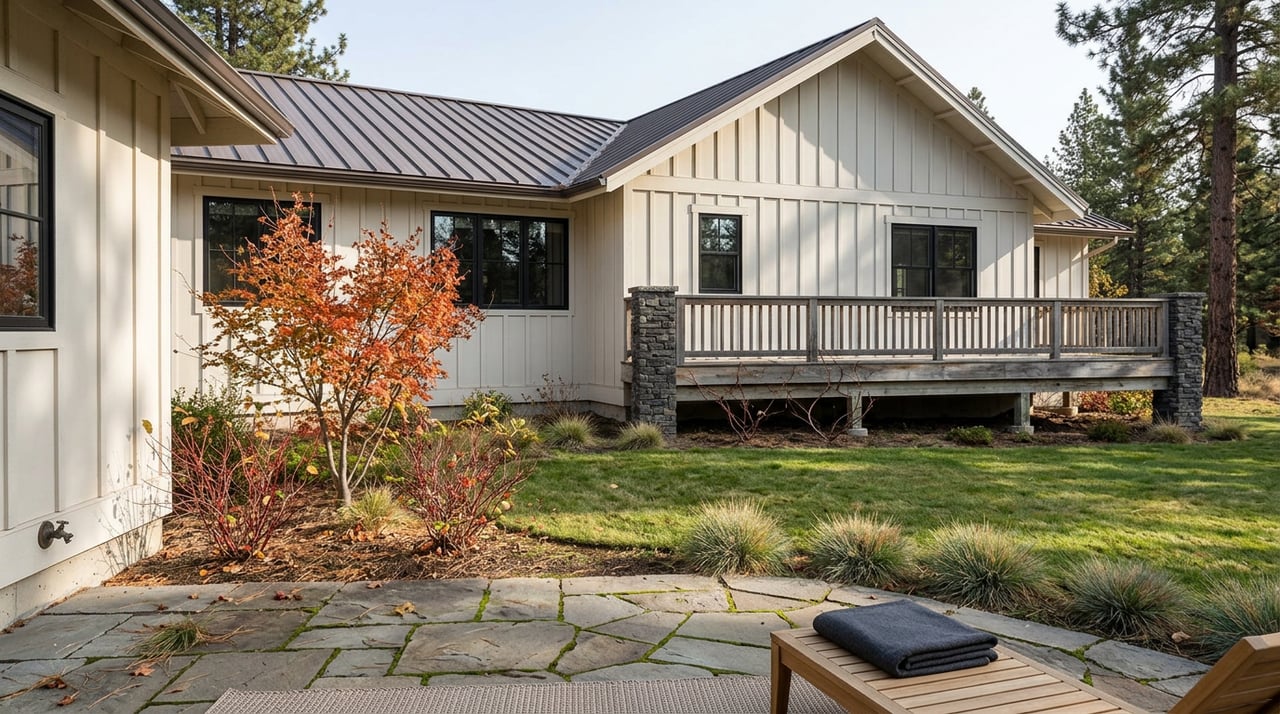
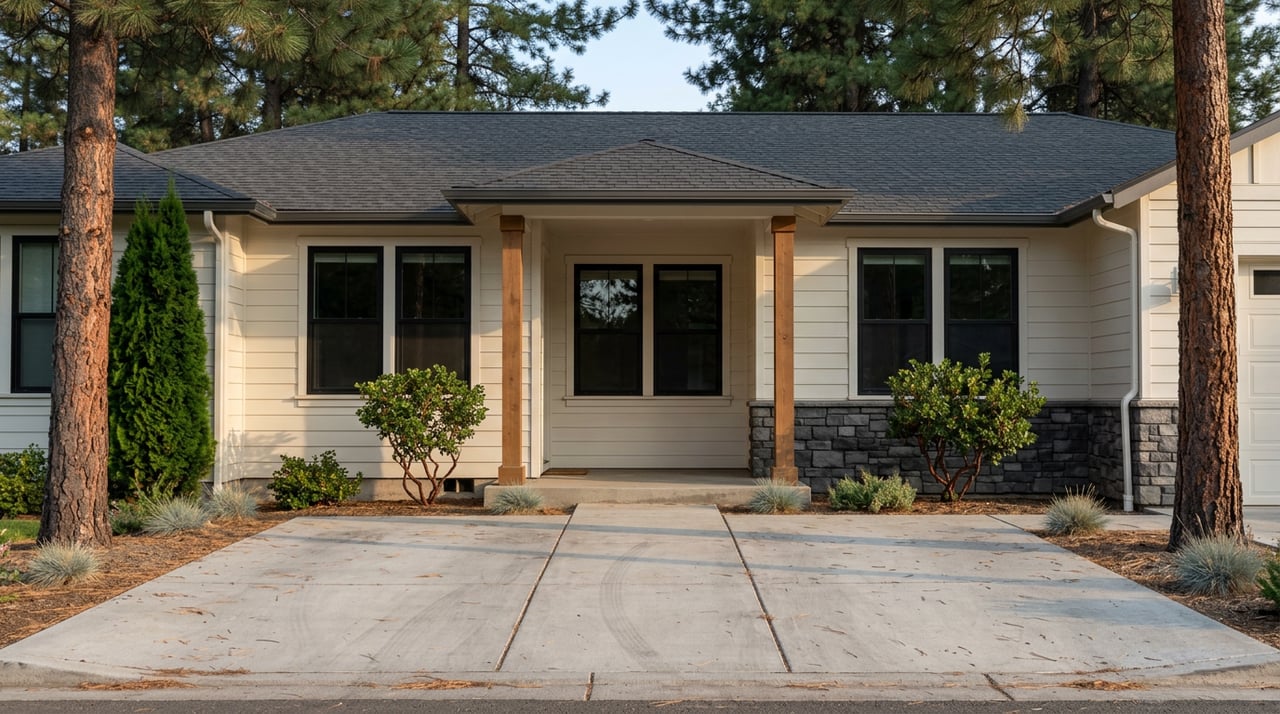
Step off the course and onto the actual residential streets of Bailey Creek, and the two-season pattern gets quieter but doesn't disappear. The neighborhood sits off Clifford Drive, with homes tucked among pines on cul-de-sacs set back from the clubhouse activity, close enough to walk to a round but far enough that the peak-season cart traffic and rental turnover stay near the course itself rather than spreading through the neighborhood. Chester, with its grocery stores and everyday errands, is a ten-minute drive away, which means the peak-season crowd downtown doesn't have much reason to detour onto Bailey Creek's own streets.
That's the part a visitor never notices and a resident takes for granted: even in the most crowded week of the summer, the fairway is busy and the street two blocks off it is not. The neighborhood absorbs its own peak season without ever really feeling it at the front door.
What the calendar is really telling you
Put together, the blackout dates, the surcharge, the reservation lines, and the quiet cul-de-sacs all point to the same thing. Bailey Creek isn't one neighborhood with a busy summer. It's a neighborhood living through roughly three months of resort-priced peak season every year, from mid-June to mid-September, followed by months of the exact same course, restaurant, and streets with none of the wait. Locals already know which version they're in on any given week. Now the reasoning behind it is on the record too.
If you're already living this rhythm and curious what your place in it is actually worth this season, or you know someone weighing a move into it, Wendi Durkin and Berkshire Hathaway HomeServices Lake Almanor Real Estate can walk through the specifics with the same local read this post just gave you. Discover Lake Almanor Homes.